
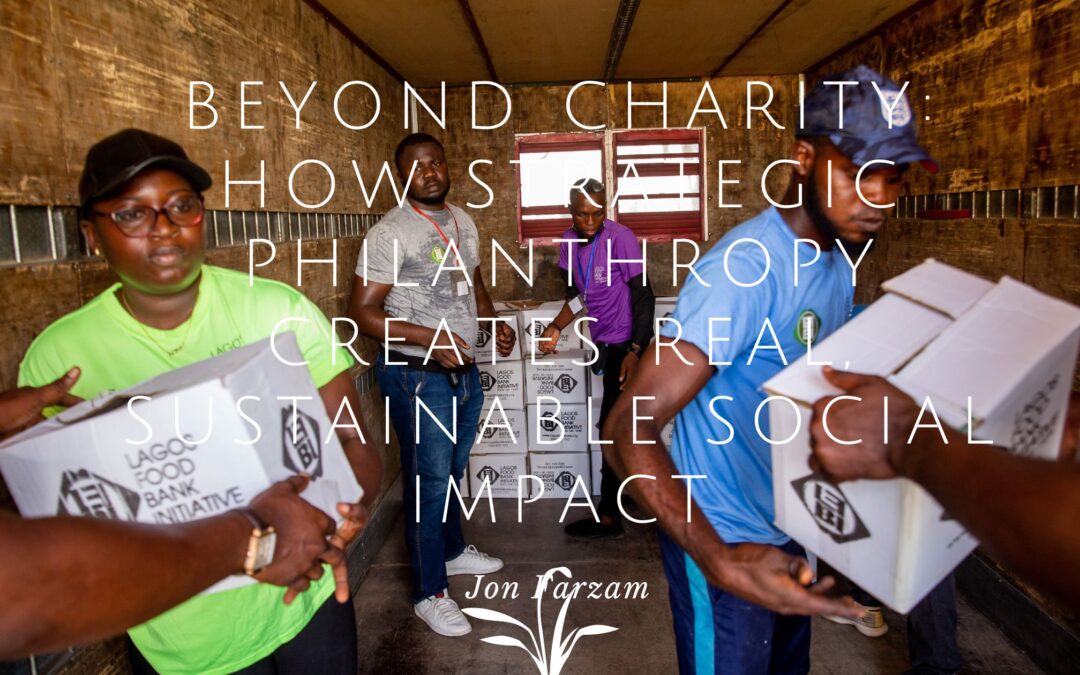
Philanthropy is often viewed as generosity in action — a noble act where individuals or corporations donate money to causes or communities in need. But in an era defined by complex social challenges — from climate change to systemic inequality — philanthropy must evolve beyond check writing. Enter the age of strategic philanthropy.
Strategic philanthropy is not about writing a big check and hoping for the best. It’s about using data, partnerships, intentional planning, and long‑term commitment to drive measurable results. This approach is transforming how nonprofits, donors, and corporations think about social impact.
What Makes Philanthropy “Strategic”?
At its core, strategic philanthropy involves:
- Defining clear goals and outcomes before committing resources.
- Using research and data to identify root causes and effective interventions.
- Partnering with stakeholders who are closest to the problem — including community organizations, subject‑matter experts, and affected populations.
- Measuring impact over time to assess what works and what doesn’t.
- Scaling proven solutions to address problems at greater depth and scale.
This approach borrows from business strategy but applies it to social impact, ensuring that giving isn’t just heartfelt — it’s effective.
Why Strategic Philanthropy Matters
Traditional charity can certainly provide immediate relief — food, shelter, emergency support — and this work remains vital. But without strategic direction, the root causes of social issues often go unaddressed.
For example, donating to build more affordable housing is important, but pairing that investment with job training programs, financial coaching, and policy advocacy can create sustainable pathways out of poverty rather than temporary respite.
Strategic philanthropy asks tougher questions like:
- What are the systemic barriers that cause this problem?
- How can our resources be deployed for long‑term change?
- How will progress be evaluated over time?
Corporate Philanthropy: A Win‑Win When Done Right
In recent years, corporations have embraced philanthropy not just as a social good, but as a business imperative. Consumers increasingly expect brands to stand for something beyond profit. Employees want to work for companies that make a positive impact.
Strategic corporate philanthropy can:
- Strengthen brand reputation
- Increase employee engagement through volunteer programs
- Drive innovation when social challenges intersect with core business strength
- Build long‑term partnerships with communities and nonprofits
However, there’s a crucial caveat: corporate giving must be authentic. Superficial or performative efforts — often called “cause washing” — can damage trust rather than build it.
Measuring Impact: The Heart of Strategic Giving
Measurement is where strategic philanthropy diverges most sharply from traditional approaches. It’s not enough to know how much money was given — we must know what changed because of it.
Effective impact measurement looks at:
- Short‑term outcomes (e.g., number of people served)
- Long‑term results (e.g., sustained employment, improved health outcomes)
- Systemic shifts (e.g., policy changes or community empowerment)
Tools like theory of change frameworks, logic models, and social impact metrics help donors and organizations track progress and adjust strategies as needed.
Real‑World Examples of Strategic Philanthropy
Many modern philanthropists and foundations are leading the way:
- The Gates Foundation funds data‑driven education and healthcare initiatives with clear benchmarks and accountability.
- Local community foundations partner with grassroots organizations to address neighborhood‑specific challenges.
- Impact investors blend financial returns with social goals, funding ventures that are both profitable and purposeful.
These examples show that philanthropy, when strategic, can be catalytic — sparking innovation and sustainable growth.
How You Can Practice Strategic Giving
If you want your philanthropic efforts to have deeper impact:
- Define your goals clearly. What change do you want to see?
- Research before you give. Understand the issue and what approaches have been effective.
- Partner with experts. Local nonprofits, community leaders, and issue specialists bring indispensable insight.
- Measure what matters. Track progress and be prepared to iterate.
- Think long term. Systemic change rarely happens overnight.
Conclusion: The Future of Philanthropy
Philanthropy is evolving from reactive generosity to proactive impact. Strategic philanthropy transforms good intentions into measurable results, aligning purpose with outcomes in a way that builds resilience, equity, and opportunity.
As more individuals, families, and corporations embrace strategic giving, we’ll see not just more resources deployed — but smarter, more compassionate systems built to ensure lasting change.