
Philanthropy has long been associated with generosity—wealthy individuals or corporations donating money to worthy causes. But in today’s rapidly changing world, philanthropy is becoming far more strategic. It’s no longer just about giving—it’s about solving problems, driving innovation, and redefining what it means to lead in business.
At its core, strategic philanthropy is about aligning charitable efforts with long-term goals. Instead of one-off donations, businesses are taking a more thoughtful approach—investing in initiatives that create sustainable impact while also reinforcing their mission and values. This shift is transforming philanthropy from a reactive act into a proactive strategy.
One of the most notable changes is the way businesses are leveraging their unique strengths. Rather than simply donating money, companies are offering expertise, technology, and infrastructure to support social causes. A tech company might develop software for nonprofits, while a logistics firm might help distribute aid more efficiently. This approach not only increases impact but also creates deeper, more meaningful contributions.
Leadership is at the heart of this transformation. Today’s business leaders are expected to think beyond quarterly earnings and consider their broader role in society. They are being called upon to address issues like inequality, climate change, and access to education—not just as corporate leaders, but as global citizens.
This shift is also influencing how companies build their brands. Philanthropy is no longer a side story—it’s becoming a central narrative. Consumers want to know what a company stands for, and they are more likely to support businesses that demonstrate a genuine commitment to making a difference. In many cases, a strong philanthropic identity can be a powerful competitive advantage.
However, strategic philanthropy requires careful planning and execution. It’s not enough to have good intentions—businesses need clear objectives, measurable outcomes, and accountability. This often involves setting specific goals, such as improving literacy rates in a community or reducing carbon emissions by a certain percentage. Progress must be tracked and communicated transparently to build trust and credibility.
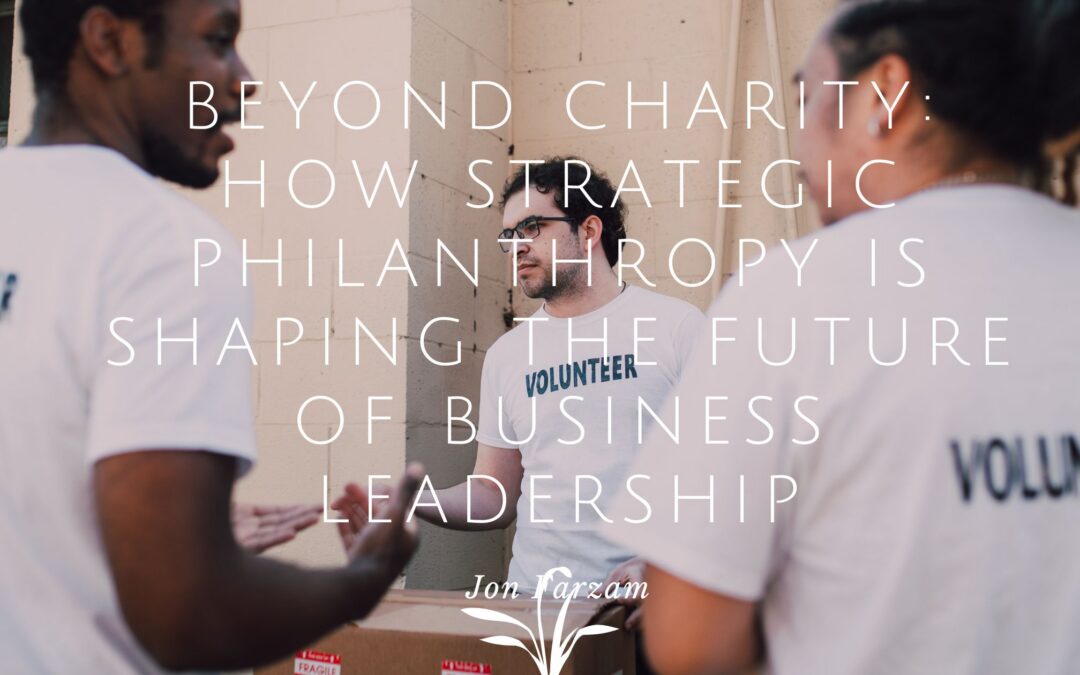
Another important element is employee involvement. When employees are actively engaged in philanthropic efforts, it creates a sense of purpose and belonging. Companies are increasingly offering paid volunteer days, organizing community projects, and encouraging team-based initiatives. This not only benefits communities but also strengthens company culture.
Technology is also playing a significant role in shaping modern philanthropy. From crowdfunding platforms to data analytics, businesses now have more tools than ever to maximize their impact. They can identify where help is needed most, track the effectiveness of their efforts, and scale successful initiatives more quickly.
Despite these advancements, challenges remain. One of the biggest is ensuring that philanthropic efforts are inclusive and equitable. Businesses must be mindful of who they are helping and how they are helping, avoiding approaches that may unintentionally reinforce existing inequalities.
Ultimately, the future of philanthropy in business is about integration. It’s about weaving social impact into every aspect of an organization—from decision-making to daily operations. This requires a shift in mindset, where success is measured not just by financial performance, but by the positive change a company creates in the world.
In this new landscape, the most respected leaders will be those who understand that true influence comes from impact. By embracing strategic philanthropy, businesses have the opportunity to lead with purpose, inspire change, and build a legacy that goes far beyond profit.